
How Yoga Supports Emotional and Spiritual Well-Being
- Yoga supports noticing and processing emotions through mindful movement, breath control, and posture, helping you respond calmly to stress and daily challenges.
- It encourages reflection, inner presence, and alignment with personal values, strengthening spiritual awareness without relying on religion.
- Daily practice fosters emotional resilience, consistent self-reflection, and balance during life changes, creating habits of mindfulness and steady presence in both thought and action.
Life moves fast. Emotions shift often. Thoughts change without warning. Some days feel light. Some days feel heavy. Many people look for ways to stay balanced during these swings. Yoga offers steady support during these moments. It creates space for reflection. It guides attention inward. It supports emotional awareness and spiritual growth through simple daily practice.
Yoga does not rush the process. It invites patience. It invites awareness. Each movement connects the body and the mind. Each breath brings focus. Over time, this practice shapes how you respond to emotions and experiences. It helps you notice feelings instead of reacting without thought.
Understanding Emotional and Spiritual Well-Being
Emotional and spiritual well-being shape how you experience life. They affect how you think, feel, and connect with others. When these areas feel steady, daily challenges feel manageable. When they feel unsettled, even the simplest tasks feel overwhelming.
Emotional well-being relates to how you process feelings. It includes how you handle stress, respond to change, and manage reactions. Strong emotional awareness helps you notice patterns. It helps you pause before responding. It supports steady moods through shifting situations.
Modern routines add pressure. Work demands increase. Screen time grows. Sleep patterns shift. These changes affect emotional balance. Yoga helps create calm awareness during these moments.
Spiritual Well-Being Explained
Spiritual well-being connects to meaning and purpose. It reflects how you relate to yourself and the world around you. This aspect does not depend on religion. It focuses on inner connection and awareness.
Spiritual balance helps you feel grounded. It supports reflection. It allows space for values, intentions, and direction. Yoga supports this connection through mindful movement and breath.
The Role of the Body in Emotional Health
The body holds tension from daily experiences. Stress affects muscles. Emotions influence posture. Long periods of worry tighten shoulders and jaws. Yoga helps release this stored tension.
Movement helps emotions flow instead of staying trapped. Stretching opens tight areas. Gentle poses encourage circulation. This physical release supports emotional ease.
Balance Between Inner and Outer Life
Daily responsibilities often pull attention outward. Yoga draws attention inward without disconnecting from reality. This balance supports emotional steadiness and spiritual clarity.
Inner awareness shapes how you engage with external demands. This connection helps maintain stability during change.
How Movement Releases Stored Tension
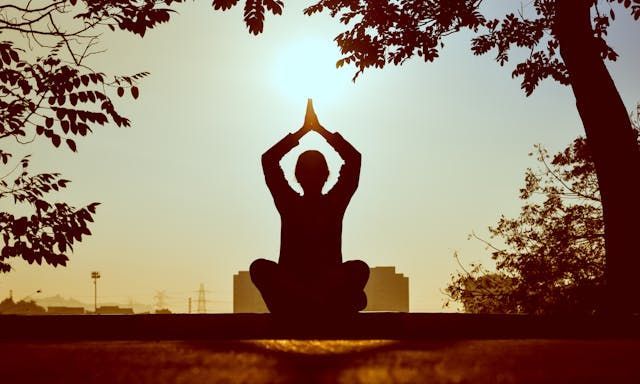
Slow stretches increase circulation and flexibility. These movements help release tight areas linked to stress. Neck, shoulders, hips, and lower back often hold emotional tension.
Yoga encourages gradual release. Each posture supports comfort and awareness rather than strain. This approach allows emotions to move instead of staying trapped.
Posture and Emotional Expression
Posture influences mood. Slouched positions reflect low energy. Upright alignment supports alertness. Yoga brings attention to alignment through mindful movement.
Improved posture changes how you feel emotionally. Awareness of body positioning helps support steady moods.
Physical Comfort and Emotional Ease
Physical discomfort affects emotional responses. Yoga improves body awareness, which supports comfort. Comfort allows emotional space.
When the body feels supported, the mind responds with calm focus.
Breath Awareness and Emotional Stability
Breathing patterns reflect emotional states. Stress leads to shallow breathing. Calm moments allow slow breaths. Yoga trains awareness of this connection.
Breath control supports emotional balance through intentional rhythm. Each inhale and exhale guides attention.
Slow breathing influences the nervous system. It supports relaxation during stress. Yoga emphasizes breath awareness during movement.
This awareness trains the body to respond calmly during pressure. Over time, this response becomes natural.
Using Breath During Emotional Moments
Emotional moments often arrive without warning. A conversation shifts tone. A decision feels heavy. The body reacts first. Breathing changes before thoughts settle. Yoga teaches awareness of this response. Breath becomes an anchor during these moments. Attention to breathing slows reactions and supports clarity.
This practice does not remove emotion. It creates space to experience feelings without losing control. Through steady breathing, you learn to stay present while emotions move through you.
Noticing Breath Changes During Tension
Emotional pressure alters breathing patterns quickly. Breaths become short. The chest tightens. The jaw clenches. Yoga practice trains you to notice these changes early. Awareness begins with observation. You notice the breath without forcing it.
This awareness signals that an emotional response has started. Recognition allows choice. You pause instead of reacting automatically. This moment of noticing shifts control back to you. With practice, this skill becomes natural during daily interactions.
Creating a Pause Before Speaking
Words spoken during emotional moments shape outcomes. Breath creates a pause before speech. A slow inhale followed by a steady exhale slows mental urgency. This pause allows thoughts to settle. You choose words with care.
You avoid impulsive reactions. Yoga breathing supports this pause through rhythm. Rhythm brings steadiness. Steadiness supports clear expression. Conversations feel calmer when breath guides timing. This approach supports respect and understanding during challenging discussions.
Supporting Calm During Decision-Making
Decisions often carry emotional weight. Pressure increases when choices affect work, relationships, or personal goals. Breath awareness helps organize thoughts during these moments. Slow breathing steadies focus. The mind processes information with clarity. Yoga breathing practices train this response over time.
During decisions, breath acts as a guide. It keeps attention grounded. This grounding reduces overwhelm. Choices feel more deliberate and thoughtful when breath supports awareness.
Maintaining Emotional Balance After the Moment Passes
Emotional moments do not always end quickly. Residual tension often remains. Breath awareness continues to support balance after the situation ends. Gentle breathing releases lingering tightness. The body returns to a neutral state.
Yoga encourages reflection through breath after emotional events. Reflection helps process feelings without rumination. This process supports emotional recovery. Over time, this habit reduces emotional fatigue. Breath becomes a steady companion during both intensity and recovery.
Expanding Awareness Through Multiple Approaches
Yoga builds awareness through movement and breath. Guidance adds another layer of understanding. Together, they support deeper reflection. Yoga highlights physical and emotional signals. Guidance helps interpret those signals with clarity. This combination allows awareness to grow beyond surface experiences.
You begin to understand why certain emotions repeat. You notice patterns with more precision. The practice feels more complete when awareness comes from more than one direction.
Supporting Reflection After Practice
Yoga often brings insights during or after movement. Guidance supports reflection on these insights. It helps organize thoughts that arise during practice. Reflection prevents confusion. You explore meaning without pressure.
This process supports steady understanding. Awareness deepens when insights receive attention instead of fading. Over time, reflection becomes a natural extension of practice. This habit supports emotional and spiritual clarity in daily life.
Aligning Inner Awareness With Direction
Yoga strengthens the connection to internal signals. Guidance helps align this awareness with personal direction. You understand how inner cues relate to choices and actions. This alignment supports confident movement forward.
Awareness feels purposeful instead of scattered. Decisions feel connected to inner values. The combination supports clarity during transitions and growth phases. Direction becomes clearer when awareness connects with understanding.
Supporting Growth During Uncertain Periods
Uncertainty challenges emotional balance. Yoga supports steadiness through breath and movement. Guidance offers perspective during these periods. Together, they support growth without overwhelm. Awareness stays grounded.
Reflection stays focused. This combination helps navigate uncertainty with calm attention. Growth feels supported instead of forced. Understanding develops through patience and awareness, working together.
Signs That Insight May Help
Periods of confusion often develop quietly. Thoughts repeat. Focus drifts. Emotional weight grows without a clear reason. Yoga increases awareness of these changes. That awareness points toward moments when insight supports understanding. Reflection becomes necessary when inner signals stay unclear. Insight creates space to explore what feels unresolved and regain direction.
- Recurring mental loops
- Emotional heaviness without a clear cause
- Difficulty making simple decisions
- Disconnection from inner direction
Recognizing the Long-Term Benefits of Practice
Yoga’s impact grows gradually over time. Emotional and spiritual well-being develops as awareness, patience, and reflection strengthen. The body, mind, and breath create interconnected patterns that support steadiness in challenging moments. Long-term practice shapes habits of thought, emotional response, and inner alignment. By consistently engaging with yoga, subtle benefits accumulate, supporting resilience, focus, and deeper self-understanding.
Strengthening Emotional Resilience
Repeated practice builds tolerance for emotional intensity. Challenges that once caused immediate stress feel manageable. Awareness allows you to respond calmly instead of reacting impulsively. Emotional resilience develops naturally, supported by breath, movement, and reflective awareness cultivated during yoga sessions.
Deepening Spiritual Awareness
Spiritual connection strengthens with consistent attention. Reflection, stillness, and mindful focus help you understand personal values and priorities. Over time, this awareness guides decisions and interactions. Yoga becomes a tool for connecting to purpose and maintaining inner alignment, even during uncertainty or change.
Supporting Consistent Self-Reflection
Daily practice fosters reflection without judgment. Each session highlights patterns, habits, and tendencies. You notice how emotional responses appear and how your body signals stress or comfort. This ongoing observation supports informed choices and helps prevent emotional overwhelm from building unnoticed.
Building Long-Term Habits of Presence
Presence strengthens with repetition. Yoga teaches attention to breath, movement, and sensations. These skills extend into daily life, creating habits of mindfulness and calm awareness. Over time, presence supports more thoughtful interactions, steady decision-making, and a deeper understanding of personal needs and boundaries.
Maintaining Balance Through Change
Life brings changes constantly. Career shifts, relationship adjustments, and personal growth moments challenge stability. Yoga provides a consistent framework to navigate these changes. Awareness, breath, and movement act as anchors, supporting steadiness and reducing emotional turbulence during transitions.
Closing Reflections on Yoga and Inner Balance
Yoga supports emotional and spiritual well-being through awareness, movement, and breath. It builds patience, reflection, and understanding. Regular practice supports balance during daily demands. Emotional awareness grows through attention. Spiritual awareness deepens through presence. This approach fits modern life through simplicity and adaptability.
If you want guidance that supports clarity, reflection, and inner awareness alongside mindful practices, we at
Spiritual Psychic Center offer supportive sessions to help you take your next step. You can
connect with us today.
Recent Posts